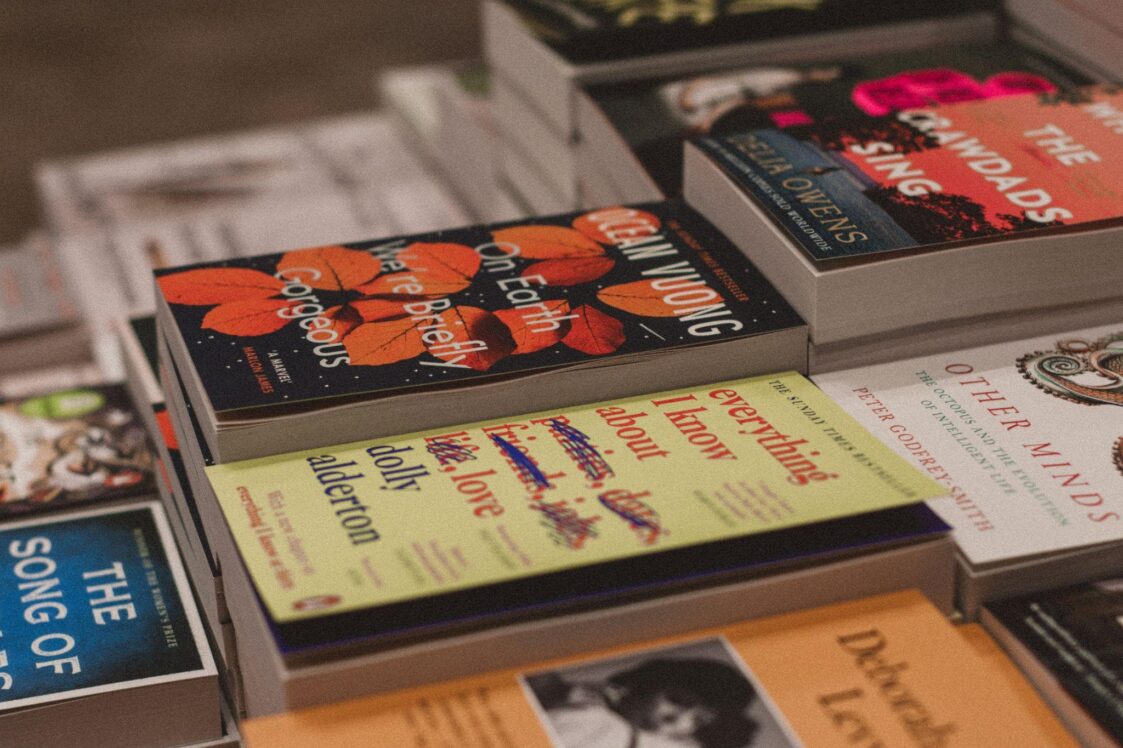
A book launch does not have to end with a cover reveal, a short announcement, and a link to an online store. Readers increasingly discover stories through newsletters, social platforms, author communities, and digital events. This gives publishers an opportunity to turn promotion into participation.
Gamification can help, but only when it supports the book. Points, codes, quizzes, and unlockable material should give readers a reason to explore the story world rather than make the campaign feel like a separate game.
Begin With One Meaningful Reader Action
The strongest campaigns are built around a simple action. Readers might solve a clue, answer a question about a character, share a themed photograph, or complete a short reading challenge. The action should be easy to explain and closely connected to the book.
Reward systems used in other digital industries can provide useful references. A page such as https://pl.polskiesloty.com/slotsgem-bonus-bez-depozytu/ shows how an offer is introduced through eligibility, activation, and reward conditions. A publishing campaign can borrow that clarity without copying the subject or tone: explain what readers need to do, what they receive, and when the activity ends.
A clear campaign card should include:
- the reader task;
- the participation deadline;
- the reward or unlocked content;
- any age or location restrictions;
- where results will be announced.
The reward does not need to be expensive. A signed digital illustration, early chapter, author audio note, or invitation to a private online discussion may feel more valuable because it belongs to the story.
Build the Campaign in Three Chapters
A useful way to plan an interactive launch is to structure it like a short narrative.
Chapter One: Curiosity
Begin before publication with a small mystery or visual clue. Reveal a location, object, quotation, or character detail and invite readers to interpret it. This stage should create interest without requiring previous knowledge.
Chapter Two: Participation
During release week, give readers a task they can complete alone or with a community. A fantasy novel might use a map-based challenge, while a mystery could include coded messages hidden across newsletters and social posts.
Chapter Three: Recognition
After the activity ends, acknowledge participation. Share selected responses, reveal the solution, and deliver the promised material promptly. Recognition makes the campaign feel complete and encourages readers to join future events.
Keep the Book at the Center
Gamification becomes distracting when the mechanics are more memorable than the title being promoted. Every element should lead readers back to the characters, themes, or setting.
Publishers should avoid adding too many rules. If readers need a long explanation before they can join, participation will fall. One main action and one clear reward are usually enough for a small campaign.
The visual identity should also remain connected to the cover. Reusing the book’s typography, colors, symbols, and illustration style makes each post recognizable even when the format changes.

Measure More Than Clicks
A campaign should be reviewed through the quality of participation, not only the number of visits. Useful signals include completed challenges, newsletter replies, reader-created posts, event attendance, and continued discussion after the launch.
Comments can also reveal whether instructions were clear. Repeated questions about eligibility or deadlines usually indicate that the campaign page needs revision.
Publishers can keep a short record of what worked, which reward attracted the most interest, and where readers stopped participating. These notes make the next launch easier to plan.
Give the Experience a Proper Ending
Interactive promotion works when it respects the reader’s time. Announce winners or results when promised, deliver every reward, and keep the final explanation easy to find.
A well-planned campaign does more than create temporary attention. It gives readers a small experience inside the world of the book and turns the launch into a shared event. When the mechanics remain simple and the story stays central, gamification can strengthen the relationship between authors, publishers, and the communities they hope to reach.